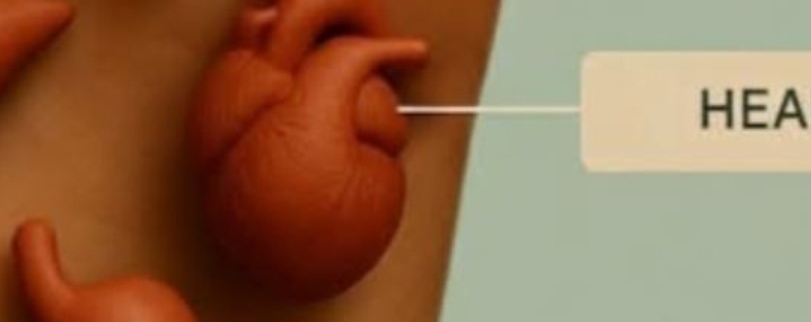
Reflexology has gained remarkable popularity in recent years as people look for natural, gentle, and complementary ways to support their health. This holistic method focuses on the idea that the feet, hands, and ears contain reflex points connected to every organ and system of the body. By applying targeted pressure to these areas, reflexology aims to activate the body’s natural healing abilities, improve circulation, reduce stress, and restore balance.If you’ve ever wondered what conditions can show up on the feet or how reflexology actually works, this comprehensive guide will walk you through everything you need to know.What Is Reflexology?Reflexology is a natural, non-invasive technique based on stimulating specific reflex points found mainly on the soles of the feet, but also on the hands, ears, face, tongue, and even the nose. These points act as “mirrors” of the body: each one corresponds to an organ, gland, or body system.When these areas are stimulated through precise pressure and massage techniques, they can trigger the body’s self-healing responses. This leads to:Improved energy flowEnhanced relaxationReduced muscle tensionStrengthened immune functionBetter harmony between body systemsUnlike medical treatments, reflexology does not use drugs, does not interfere with medical care, and has no harmful side effects. It is widely considered safe for all ages.Why Do Reflexologists Focus Mainly on the Feet?Although reflexology can be practiced on the hands, ears, or face, most professionals prefer working on the feet because:The feet are softer and more responsive than the hands, which often become rough or tense due to daily tasks.Energy blockages are easier to detect through touch on the soles.The feet provide a complete map of the body, making it easier to identify imbalances in specific organs or systems.When the two feet are placed together, they form the outline of a human body, making it easier to visualize where each organ corresponds.How Does Reflexology Work?When an organ or system in the body is out of balance, waste deposits—sometimes felt as small “grains” or “knots”—can develop in the corresponding reflex point on the feet. A trained reflexologist can detect these changes through touch.By stimulating these points, reflexology helps:1. Improve CirculationPressure on reflex areas boosts blood flow, lymphatic movement, and energy circulation throughout the body.2. Release EndorphinsThese natural chemicals produced by the brain reduce pain, ease muscle tension, and promote deep relaxation.3. Restore HomeostasisReflexology works holistically, addressing multiple systems such as:Hormonal systemImmune systemCirculatory systemDigestive systemExcretory organsBy balancing these systems, the body reaches homeostasis—a stable, self-regulating state.What Shows on the Feet? Reflex Points ExplainedThe feet reflect the entire body:Toes = head and sensory organs (eyes, ears, nose, teeth, sinuses)Ball of the foot = lungs and chest areaArch of the foot = digestive system (stomach, pancreas, intestines)Inner edge = spineHeel area = pelvic organs, sciatic nerve, lower backMid-foot = kidneys, bladder, and urinary systemCommon issues that may show up in reflex points include:Pain or sensitivityHardness or callusesSwellingWarm or cold areasSmall nodules or grit-like depositsThese signs do not replace medical diagnosis, but they help reflexologists understand where the body may be blocked or stressed.What Conditions Can Reflexology Help With?Studies suggest that about 75% of health problems are linked to stress. Reflexology’s ability to reduce stress and tension makes it beneficial for a wide range of issues.Reflexology may help with:Anxiety and chronic stressMigraines and headachesInsomniaBack pain and sciaticaPoor blood circulationDigestive disorders (bloating, constipation, irritable bowel)Hormonal imbalancesPMS and menstrual discomfortRespiratory issuesMuscle stiffnessFatigue and low energyWhat it improves:Better blood circulationStronger immune functionBalanced hormonesImproved detoxification through better organ functionDeeper relaxation and mental clarityMore emotional balance and stress reliefReflexology is also an excellent preventive method, supporting long-term wellness.What to Expect in a Reflexology SessionA typical session lasts about 60 minutes. In the beginning, sessions may be repeated 2–3 times per week, and then reduced depending on individual needs.During the session, people often feel:Deep relaxationWarmth and energy flowRelief from tensionLightness in the legs and bodySome even experience emotional release as energy blockages dissolve.Reflexology can be safely combined with conventional medicine or other natural therapies for enhanced results. It is gentle, natural, and uses only the practitioner’s hands—or sometimes a small wooden tool.Final ThoughtsReflexology offers a powerful yet gentle way to support physical, mental, and emotional health. By working through the feet’s reflex points, the body is encouraged to relax, detoxify, and restore its natural balance.While reflexology does not replace medical diagnosis or treatment, it is a valuable complementary method for maintaining wellness, reducing stress, and boosting the body’s own healing capacity.
Reflexology: What Health Issues Can Be Seen on the Feet? A Complete Guide