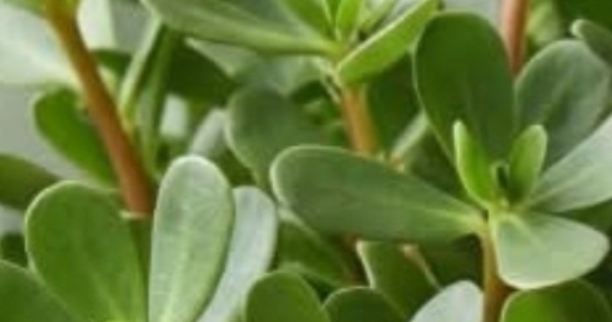
Verdolaga, known in English as purslane (Portulaca oleracea), is an edible plant often mistaken for a weed—but in reality, it’s a nutrient-dense superfood. Rich in antioxidants, vitamins, and essential fatty acids, purslane has gained attention for its impressive health benefits.In this article, you’ll discover what purslane is used for, its main benefits, nutritional properties, and how to include it in your daily diet. What Is Verdolaga (Purslane)?Purslane (Portulaca oleracea) is a succulent plant with small, thick leaves and a slightly tangy flavor. It grows easily in gardens, sidewalks, and moist soil.Although often undervalued, it has long been used in traditional cuisines and natural medicine around the world.
 Health Benefits of Purslane
 Rich in Plant-Based Omega-3Purslane is one of the few plant sources of alpha-linolenic acid (ALA), a type of omega-3 fatty acid that supports:
 Heart healthReduced inflammation Balanced cholesterol levels
 Powerful Antioxidant PropertiesPurslane contains high levels of:Vitamin CVitamin ABeta-caroteneGlutathioneFlavonoidsThese compounds help fight free radicals and support healthy aging.
 May Help Regulate Blood SugarSome studies suggest that purslane may help support blood glucose control when combined with a balanced diet.
 Supports Digestive HealthThanks to its fiber and natural mucilage, purslane may:Improve bowel regularity Aid digestion Support gut microbiota
 Promotes Bone HealthPurslane is rich in essential minerals such as:CalciumMagnesiumPotassiumIronThese nutrients contribute to strong bones and electrolyte balance.
 Natural Anti-Inflammatory EffectsIts bioactive compounds may help modulate inflammation, supporting overall wellness.
 Supports Skin HealthTraditionally, purslane has been used to: Promote skin regenerationAid wound healing Improve skin appearance
 Nutritional Properties of PurslanePurslane is considered a functional food because it contains:Plant-based omega-3 fatty acidsVitamins A, C, and EB-complex vitaminsEssential mineralsAntioxidantsNatural fiberIt is also low in calories and highly nutritious, making it ideal for a healthy diet.
 How to Eat PurslanePurslane is versatile and can be enjoyed in several ways:RawAdd fresh, well-washed leaves to salads for a refreshing crunch.
 SautéedLightly cook with garlic and olive oil.
 In SoupsAdd at the end of cooking for extra nutrients.
 In Green JuicesBlend with lemon, apple, and ginger.
 Purslane TeaPurslane can also be consumed as a herbal tea.
 How to Make Purslane TeaIngredients:1 tablespoon fresh or dried purslane1 cup waterInstructions:Boil the water.Add the purslane.Let it steep for 10 minutes.Strain and drink warm.
 Precautions and Side EffectsAlthough natural, purslane contains oxalates, which in excess may not be suitable for some individuals.Avoid excessive consumption if you:Have a history of kidney stonesHave kidney diseaseAre pregnant (consult your doctor first)Always seek professional guidance before using it therapeutically.
 Is Purslane Really a Superfood?Purslane has an impressive nutritional profile for such a simple plant. Its richness in omega-3s, antioxidants, and minerals makes it a valuable addition to a balanced diet.However, it should not replace medical treatments or cure diseases. ConclusionVerdolaga (purslane) is a powerful, affordable, and highly nutritious plant that can offer multiple health benefits when included in your daily meals.From being labeled a “weed” to recognized as a superfood, purslane proves that nature often provides valuable resources right at our feet.
Verdolaga (Purslane): Benefits, Properties, and How to Eat This Powerful Plant