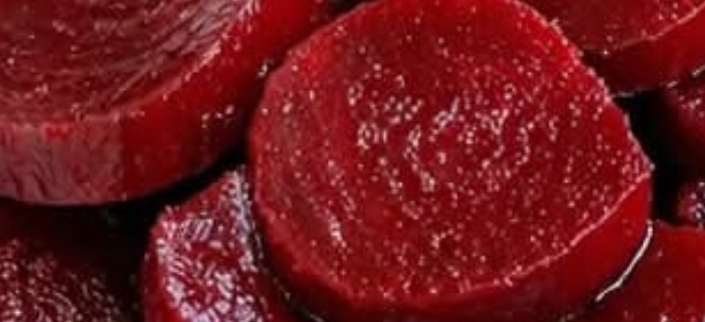
Why Beetroot Stands Out for Eye WellnessBeetroot, also known as beets, is packed with beneficial compounds that have caught the attention of researchers. The leaves or greens of the beet plant are particularly rich in lutein and zeaxanthin. These carotenoids are powerful antioxidants known for their role in eye health.Research suggests that these nutrients help filter harmful blue light and support the macula, the part of the eye responsible for central vision. Additionally, the beetroot itself contains nitrates that the body can convert to nitric oxide. This process may help improve blood flow, including to the eyes.One observational study highlighted in health literature found that higher intake of vegetable nitrates from foods like beets and leafy greens was associated with a lower risk of early-stage age-related changes in the eyes. While more research is needed, these findings point to beetroot as a worthwhile addition to a vision-friendly diet.But that is not all. Beetroot also provides vitamin A precursors and other antioxidants like betalains, which give the vegetable its deep red color. These compounds combat oxidative stress, a factor in overall cellular health.The Nutritional Breakdown You Should KnowUnderstanding what makes beetroot special can motivate you to include it more often. Here are key nutrients in beetroot:Lutein and zeaxanthin: Primarily in the greens, these support eye tissue protection.Dietary nitrates: Help with circulation and oxygen delivery.Betalains: Unique antioxidants with anti-inflammatory properties.Fiber: Supports digestive health.Folate and vitamin C: Contribute to general immunity and energy.These elements work together to offer broad support for your body’s natural functions.Potential Benefits Beyond Eye HealthHere is the interesting part. Beetroot’s antioxidants may also play a role in supporting liver health. Some laboratory and animal studies indicate that compounds in beetroot can help protect against oxidative stress in the liver, promoting its natural detoxification processes.For digestive wellness, the fiber in beetroot and its potential effects on gut bacteria can contribute to a healthier colon environment. Regular consumption may support regular bowel movements and a balanced microbiome, according to emerging research on polyphenols and betalains.Of course, results vary by individual, and beetroot is best enjoyed as part of a balanced diet rather than a standalone solution.Why Preparing Beetroot at Home Is BetterStore-bought versions might contain added sugars or preservatives. Making your own simple beetroot recipe lets you control the ingredients and freshness. Plus, the cooking process can enhance the natural sweetness of beets, making them more palatable for those who are new to this vegetable.Now, let us get to the practical side. This recipe is straightforward, requires minimal ingredients, and results in tender, flavorful sliced beets just like the ones you might have seen in healthy meal ideas.Simple Beetroot Recipe: Tender Sliced BeetsThis easy method produces glossy, delicious beets that you can enjoy warm or cold. It takes about 45 minutes total and serves 4 as a side.Ingredients4-6 medium fresh beetroots (about the size of a tennis ball)Water for boiling1 tablespoon olive oil or butter (optional, for flavor)Salt and pepper to tasteOptional: A splash of lemon juice or balsamic vinegar for brightnessFresh herbs like parsley for garnish (optional)Step-by-Step InstructionsWash the beets thoroughly under running water, trimming the leaves but leaving about 1 inch of stem to prevent bleeding during cooking. Do not peel yet.Place the beets in a large pot and cover with cold water by about 2 inches. Add a pinch of salt.Bring to a boil over high heat, then reduce to a simmer. Cook for 30-45 minutes depending on size, until a knife inserts easily.Drain and let cool slightly until you can handle them. The skins should slip off easily under cool running water.Slice the peeled beets into rounds or wedges, about 1/4 inch thick.Drizzle with olive oil if desired, season with salt, pepper, and a bit of lemon juice. Toss gently.Serve immediately or store in the fridge for up to 5 days.This preparation matches the look of many popular beet dishes – vibrant red slices ready to add to salads, bowls, or eat on their own.Pro Tips for Best ResultsWear gloves when peeling to avoid staining your hands.Save the greens. Sauté them separately as they are nutrient powerhouses.Roast instead for variety: Wrap in foil with oil and bake at 400°F for 45-60 minutes.Additional Ways to Enjoy Beetroot DailyTo make beetroot a habit, try these actionable ideas:Add sliced beets to your morning smoothie with carrot and apple for a natural boost.Top salads with prepared beets for color and texture.Mix into grain bowls with quinoa and feta cheese.Blend cooked beets into hummus for a pretty pink dip.Drink fresh beet juice occasionally, but start small as it can be potent.Consistency is key. Aim for a few servings per week as part of your varied vegetable intake.What the Research Tells UsHealth organizations and nutrition experts often highlight beetroot in discussions about plant-based eating patterns. Multiple reviews in peer-reviewed journals note that the combination of nitrates, betalains, and fiber found in beets aligns with recommendations for supporting cardiovascular health, which in turn can benefit eye circulation.Here is the thing – while no single food works miracles, the cumulative effect of nutrient-dense choices like this one fits perfectly into evidence-based lifestyle guidance. The American Journal of Clinical Nutrition and similar publications have explored how vegetable-rich diets correlate with better long-term wellness markers.Wrapping It UpIncorporating a simple beetroot recipe into your routine is an accessible way to explore natural nutrition options that may support eye health and more. The combination of taste, ease, and potential wellness perks makes it a winner for busy lifestyles.Start with the recipe above and see how you feel after a few weeks of regular enjoyment. Small changes like this can add up to better habits over time.FAQWhat makes beetroot potentially good for eyes? Beetroot and its greens contain antioxidants and nitrates that research links to better circulation and protection against oxidative damage in eye tissues.How often should I eat beetroot for benefits? Most experts suggest incorporating it 2-3 times a week alongside other colorful vegetables for balanced nutrition.Are canned or pickled beets as effective? Fresh or frozen are preferable, but canned in water (no added sugar) can be a convenient alternative with some nutrient retention.Disclaimer: The information in this article is for educational purposes only and is not a substitute for professional medical advice. Always consult with a qualified healthcare provider before making significant changes to your diet, especially if you have existing health conditions or are on medication. Individual results may vary.
How to Make a Simple Beetroot Recipe That May Help Support Your Eye Health Naturally